
A commercial perimeter needs to work with the business inside it. Staff access, deliveries, storage and maintenance routes all affect the brief. The useful starting question is what the boundary must support during a normal working day, followed by the events that make that day unusual.
Identify the users
Map employee, visitor and delivery movements without publishing sensitive security layouts. Separate everyday access from occasional equipment movements. Explain who opens and closes gates and how the fence interacts with site procedures. A clear operational brief helps avoid an attractive boundary that becomes inconvenient in use.
Coordinate related systems
Discuss lighting, signs, landscaping, access control and planned ground work with the responsible trades. Ask the fencing contractor what interfaces need deciding before installation. Security performance should be reviewed as a complete site programme rather than inferred from mesh height or a dramatic product image.
Define maintenance ownership
Name the role responsible for reporting damage and keeping access routes clear. Retain contact details, product records and operating instructions. If the site changes how it stores equipment or handles vehicles, review the perimeter arrangement again instead of assuming the original brief still applies.
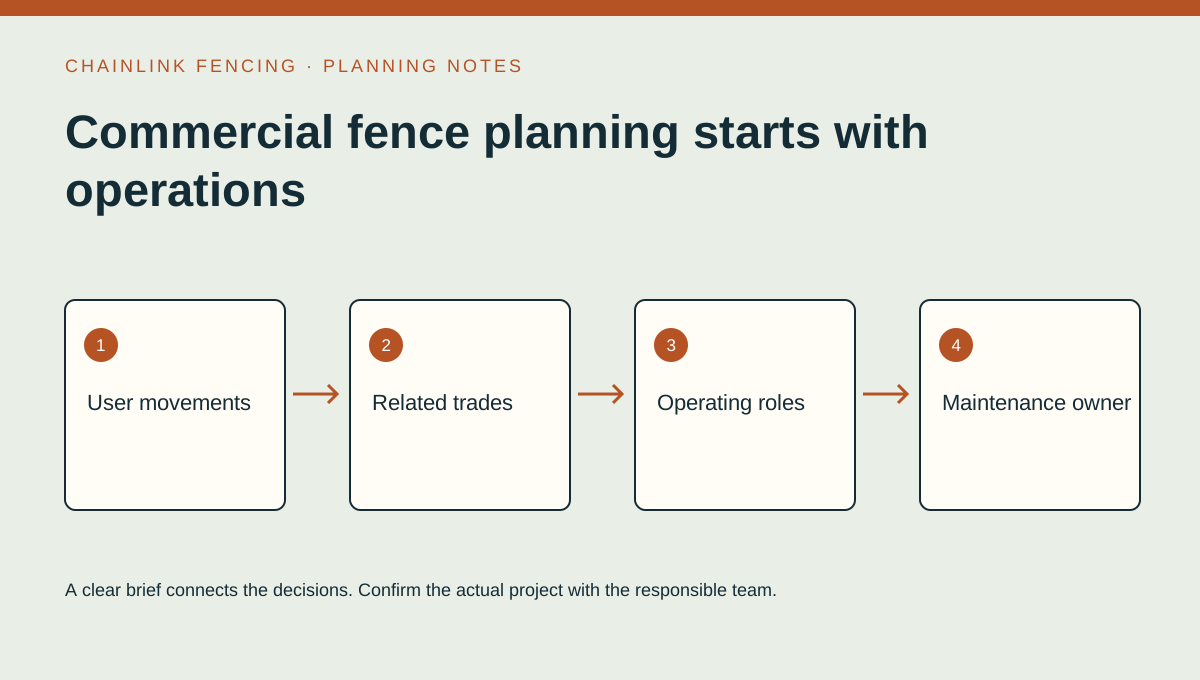
Bring these four points to the conversation
- User movements
- Related trades
- Operating roles
- Maintenance owner
Turn the discussion into a written record
Keep a short record of user movements, related trades, operating roles and maintenance owner. Separate confirmed information from assumptions and list the questions that still need the responsible company or design professional. Send the current version with your drawings or photographs so later decisions can be traced back to the same brief, rather than comparing conversations based on different information.
Your next step
Use this guide to prepare questions, not as a site-specific design, installation instruction or promise about a particular project. Discuss the actual scope directly with BuildersHaus. Keep private customer information and detailed site documents in direct correspondence. The enquiry link opens your email application; no order, appointment or stored submission is created by reading this article.
Discuss the project with BuildersHaus → · Related services and concepts · All articles