
A simple inspection record helps distinguish a new problem from an old one. Walk the boundary and gates using the same route each time, noting movement, damage and changes around the fence. The aim is to organize a maintenance discussion rather than diagnose structural performance from appearance alone.
Check the whole line
Look for displaced mesh, leaning components, loose-looking connections and objects pressing against the fence. Photograph the location from a distance and close up. Include changes to soil, vegetation and adjacent work. A consistent reference makes it easier for a fencing professional to understand what has changed.
Give gates their own check
Record whether gates close as expected, latch reliably and move without new interference. Keep people clear of damaged or unstable equipment and arrange professional assessment where needed. A gate problem may involve hardware, alignment, ground movement or operating equipment; a photograph of the latch alone may not explain it.
Keep a useful log
Record the date, location, observation and action taken. Retain installation and product details with the log. A maintenance programme should reflect the actual system and use of the property; CLFMI security guidance also treats ongoing maintenance as part of a perimeter programme.
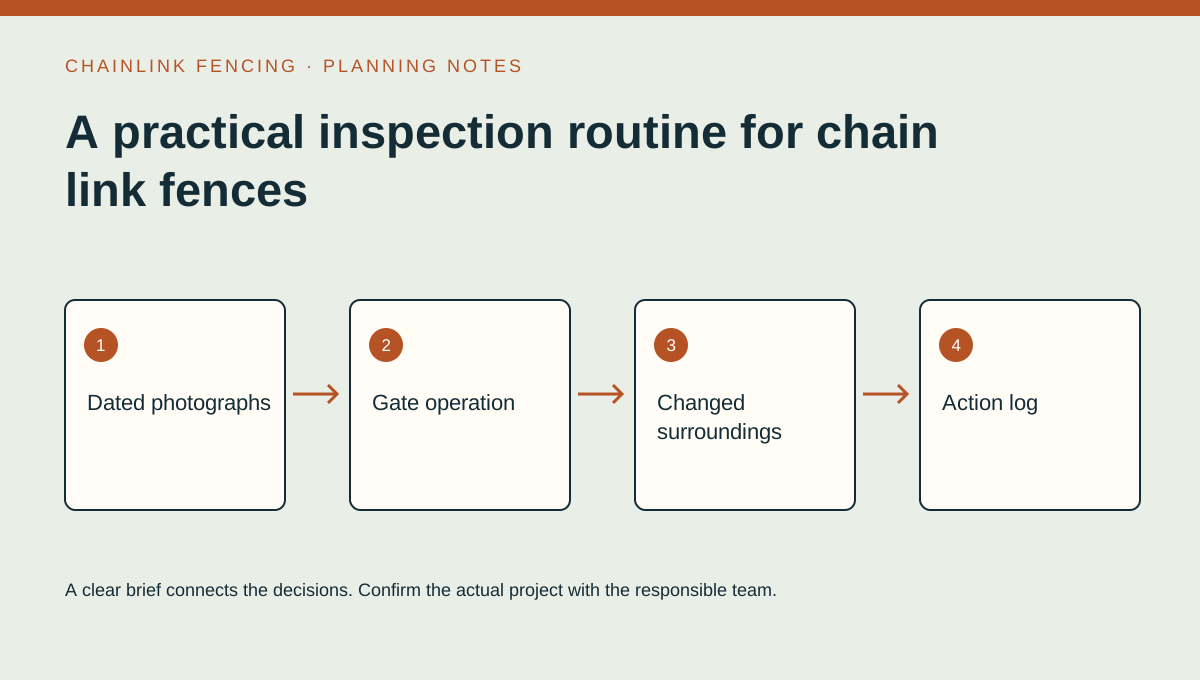
Bring these four points to the conversation
- Dated photographs
- Gate operation
- Changed surroundings
- Action log
Turn the discussion into a written record
Keep a short record of dated photographs, gate operation, changed surroundings and action log. Separate confirmed information from assumptions and list the questions that still need the responsible company or design professional. Send the current version with your drawings or photographs so later decisions can be traced back to the same brief, rather than comparing conversations based on different information.
Your next step
Use this guide to prepare questions, not as a site-specific design, installation instruction or promise about a particular project. Discuss the actual scope directly with BuildersHaus. Keep private customer information and detailed site documents in direct correspondence. The enquiry link opens your email application; no order, appointment or stored submission is created by reading this article.
Discuss the project with BuildersHaus → · Related services and concepts · All articles